 Charlotte Criminal Lawyer Blog


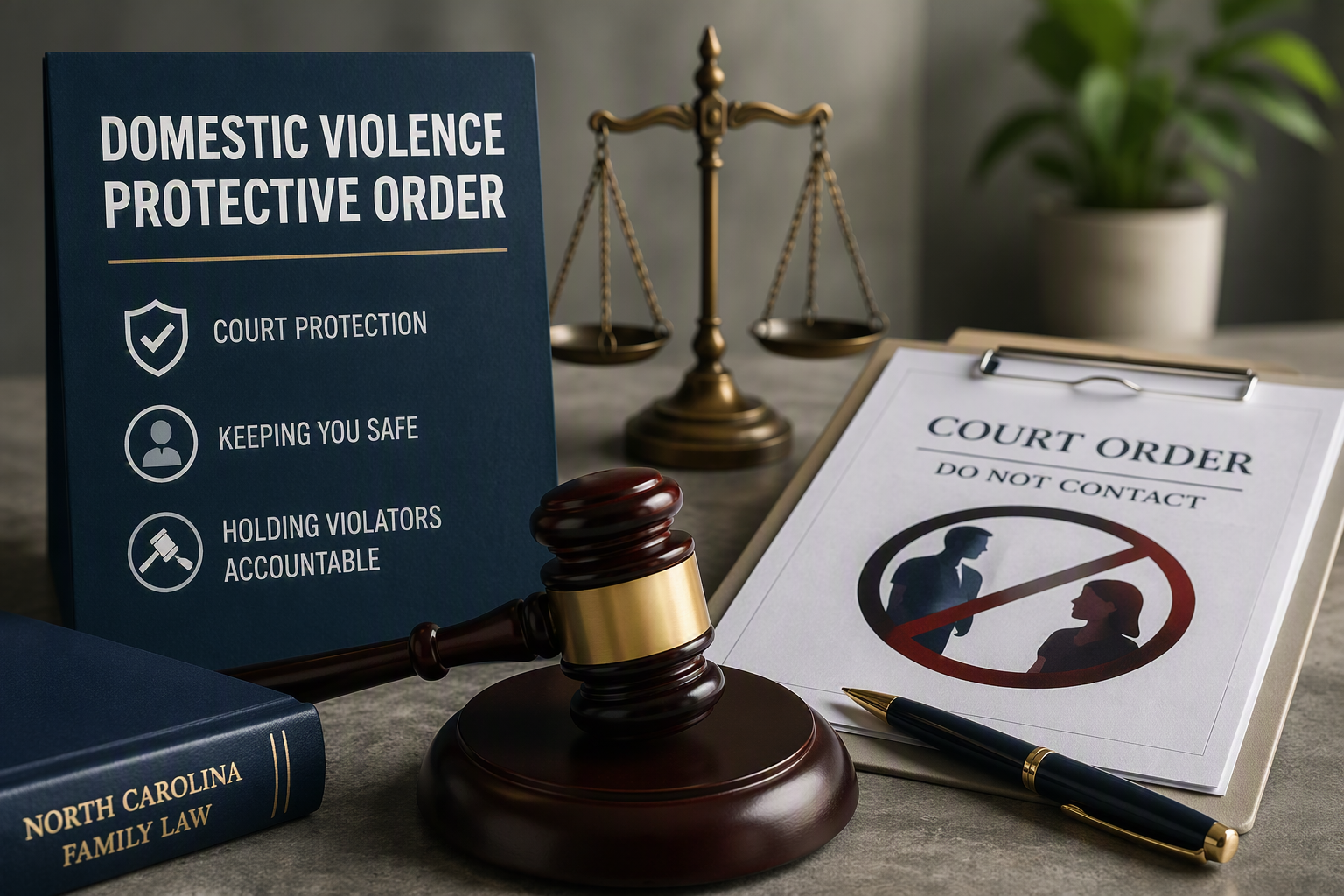
A person involved in a domestic relationship may experience an instance of violence. If the person is hurt by a spouse, domestic partner, or family member, they may request a protective order. A domestic violence protective order, DVPO, is a court order that protects a victim by keeping a potentially dangerous person away.
Basics of a Domestic Violence Protective Order
A domestic violence protective order is also called a 50B order. A victim of domestic abuse may file for a protective order against someone to keep them from harming or threatening harm.
The person requesting an order of protection is called the petitioner. The respondent is the person prohibited from contacting the petitioner. A DVPO generally prohibits the respondent from direct or indirect contact with the petitioner for a specific period of time. A permanent DVPO is typically in place for one year, but may be extended for two years in some cases.
What Are Common DVPO Violations?
A DVPO specifically prohibits acts that could be considered dangerous to the petitioner. Some examples of violations are calling, texting, or emailing, going to the person’s home or workplace, getting within a restricted distance, contacting the person through a third party, and using social media to post about the person. In addition, if the respondent was required to move but doesn’t, that is a violation. Also, when the order prohibits the possession of firearms, and the respondent is in possession of them, that is a violation.
Can I Be Arrested for Violating a DVPO?
You can and likely will be arrested if you violate a DVPO. The DVPO is a court order; therefore, if you violate the terms, you are in contempt and are subject to arrest. Law enforcement officials have a duty to uphold the law. If they have probable cause to believe you violated a DVPO, they will arrest you. It is important to note that only the respondent can be charged criminally for a DVPO violation. The person who requested the DVPO cannot be charged for a violation if they contact the respondent.
Penalties for Violation of DVPO
There are penalties in place for the violation of a DVPO. The severity of the penalties typically depends on whether you have any prior convictions. According to North Carolina General Statutes 50 B-4.1, a first conviction of violation of DVPO is a Class A1 misdemeanor with a penalty of up to 60 days in jail. If there are 1 to 4 prior convictions, you will face up to 75 days in jail, and five or more convictions will result in up to 150 days in jail if convicted. A person who fails to surrender firearms when required to do so, or is in possession of firearms, will face a Class H felony with a potential for up to 10 years of prison time if convicted. Committing a felony while in violation of a DVPO will increase the penalties of the felony charge.
Defending A DVPO
If you are charged with violation of a DVPO, you will want to seek legal guidance as soon as possible. You will want to prove that you were not in violation of the order. If the petitioner was the one who contacted you, it will be useful to provide that information as part of your defense. Your attorney will work with you to determine the details of your case. You may be able to seek a modification of the order or request that the order be dissolved completely. A knowledgeable attorney will assist you in resolving the matter.
To learn more, contact our legal team at Arnold & Smith, PLLC, at (704) 370-2828 to request a consultation.

The criminal defense attorneys at Arnold & Smith, PLLC make it their mission to zealously defend their clients on a wide range of criminal matters at both the state and federal levels. These matters may include any charge from traffic offenses; DWI/DUI; drug charges (from simple possession to possession with intent to distribute and trafficking); gun permit denials; weapons offenses; and property crimes (larceny, breaking and entering, robbery, fraud, embezzlement, white collar offenses); to sexually related offenses (indecent exposure; sexual assault, crimes against nature, removal from sex offender registry); and violent crimes (domestic violence; assault; manslaughter; homicide, murder).
Other legal issues that Arnold & Smith, PLLC criminal clients may be facing include restraining orders, restraining order and probation violations, expungements; appeals; and immigration issues related to criminal charges. Our criminal defense attorneys are passionate about ensuring that individuals empower themselves by being informed about their constitutional rights and stand at the ready to fight in the defense of those facing criminal charges.
Source:
https://www.nccourts.gov/help-topics/domestic-violence/how-to-get-a-protection-order
https://www.ncleg.gov/EnactedLegislation/Statutes/HTML/ByChapter/Chapter_50b.html
See Our Related Video from our YouTube channel:
Arnold & Smith, PLLC – YouTube
See Our Related Blog Posts:
Challenging an Order of Protection in North Carolina
Restraining Orders