Articles Posted in Traffic Violations

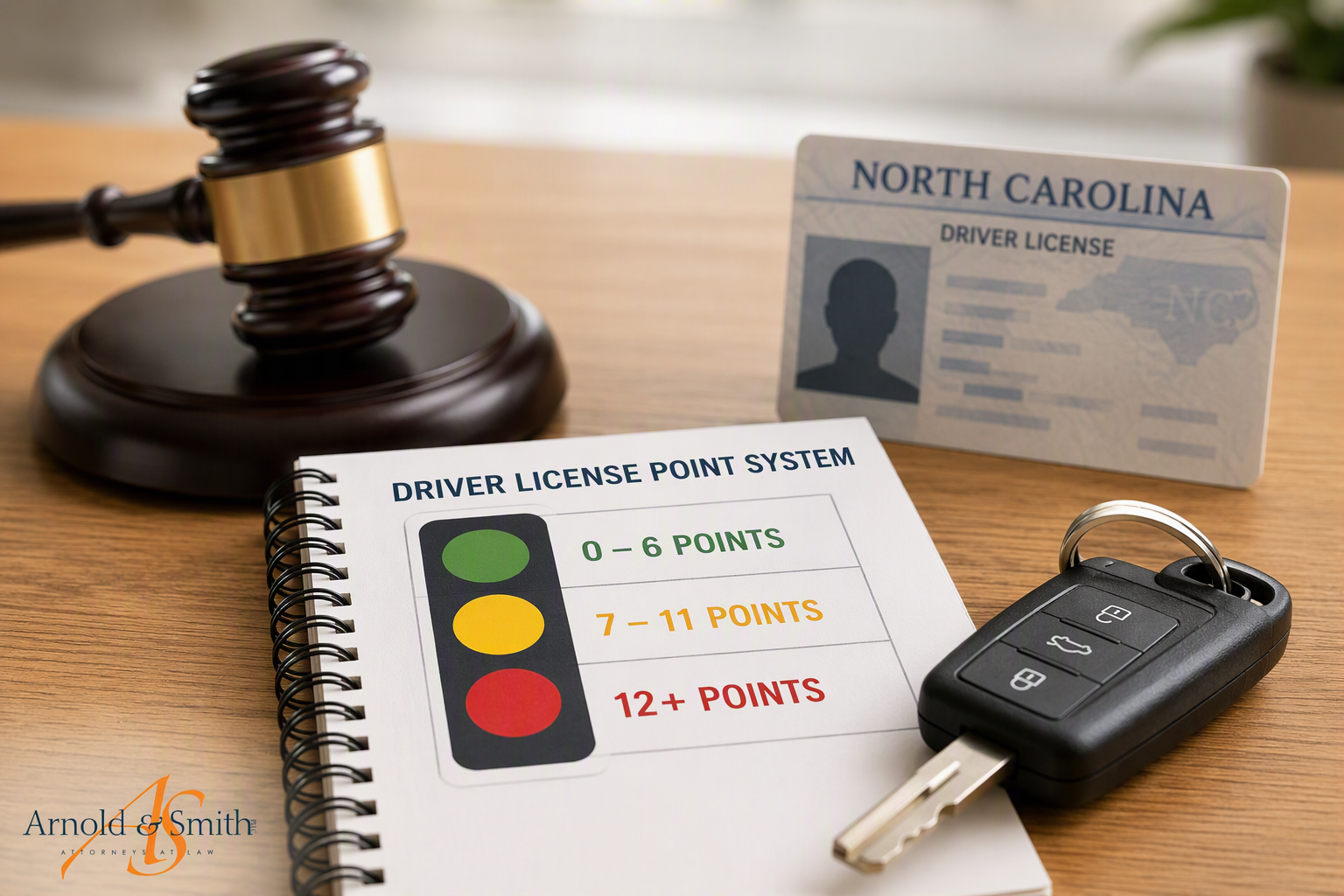
North Carolina driver license, vehicle key, and DMV point system guide illustrating traffic violation points and license suspension thresholds.How Does the North Carolina DMV Point System Work?

Driving is considered a privilege in North Carolina and across the country. In order to obtain a driver’s license, you must first pass both written and driving skills tests. Once you have your license, you must obey traffic laws. The police give drivers citations for traffic infractions. The North Carolina Department of Motor Vehicles (NCDMV) manages driver’s licenses and monitors the driving record of those who have licenses in the state.

What is the NCDMV Point System?
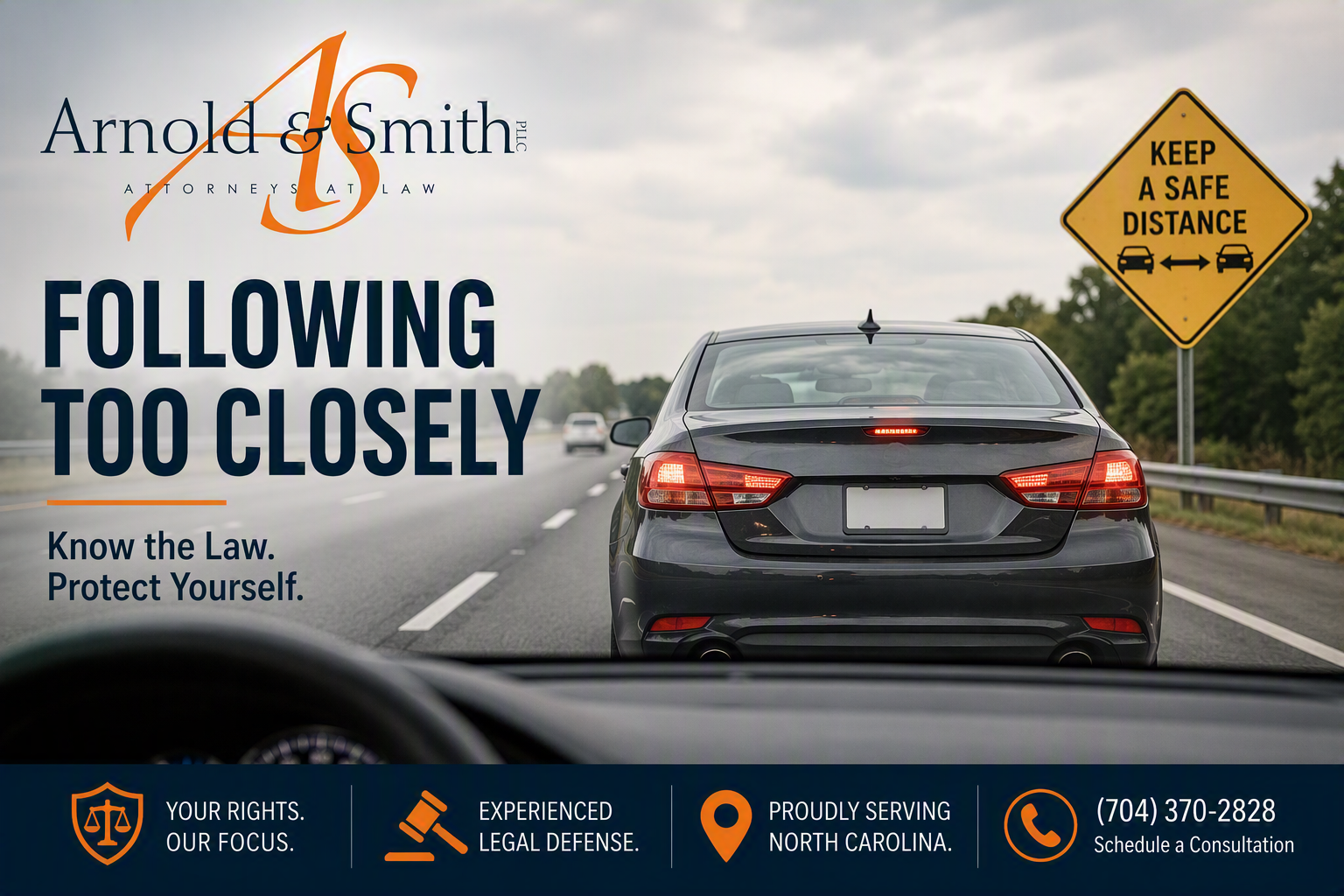
Vehicle following another car on a North Carolina highway with a safe distance warning sign, illustrating the state's following-too-closely and tailgating laws.Following Too Closely

Driving requires a good amount of training, practice, and common sense. North Carolina has laws in place to protect the safety of those on and near our roadways. When you drive on any road, regardless of the posted speed limit, you must remain a safe distance behind vehicles in front of you. If the police see you tailgating, they could pull you over and give you a ticket.

What is “Following Too Closely”?

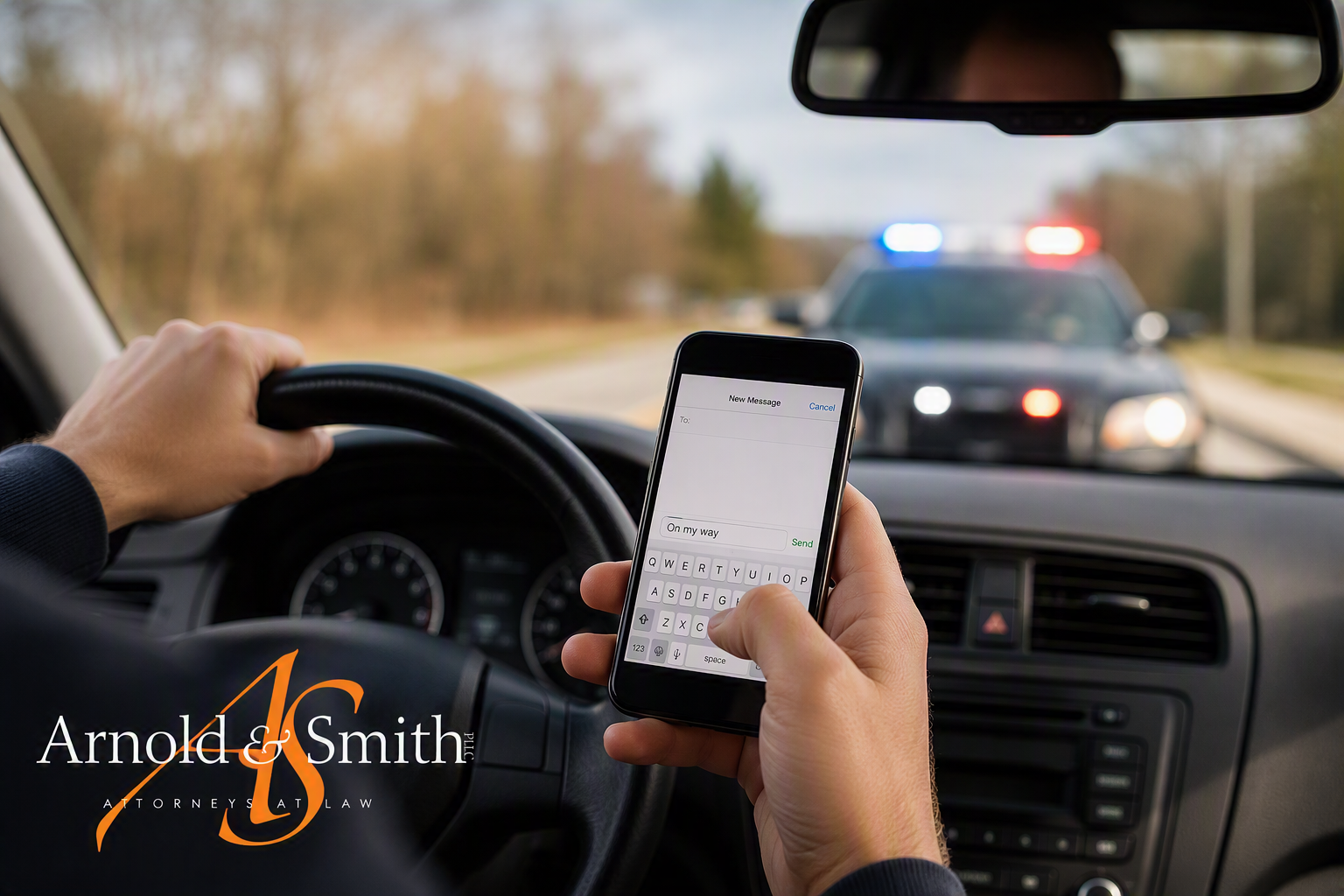
Texting-and-driving-in-North-Carolina-300x200Cell phones are the major form of communication for most people. The use of cell phones has steadily risen over the last twenty years. While using a cell phone has become commonplace, the use of cell phones in some circumstances is restricted. The use of a cell phone for texting or emailing while driving is against the law in North Carolina. If you are caught texting while behind the wheel, you could receive a citation.

North Carolina Texting While Driving Law

North Carolina law bans texting while driving. Under the law, drivers are prohibited from reading or writing text messages or emails as well as using the Internet while driving. The law applies while operating a motor vehicle, whether it is moving or stopped, while on a public road or highway. This means that you are not allowed to text, even while you are at a red light. Drivers are allowed to operate a cell phone or GPS device in handsfree mode.

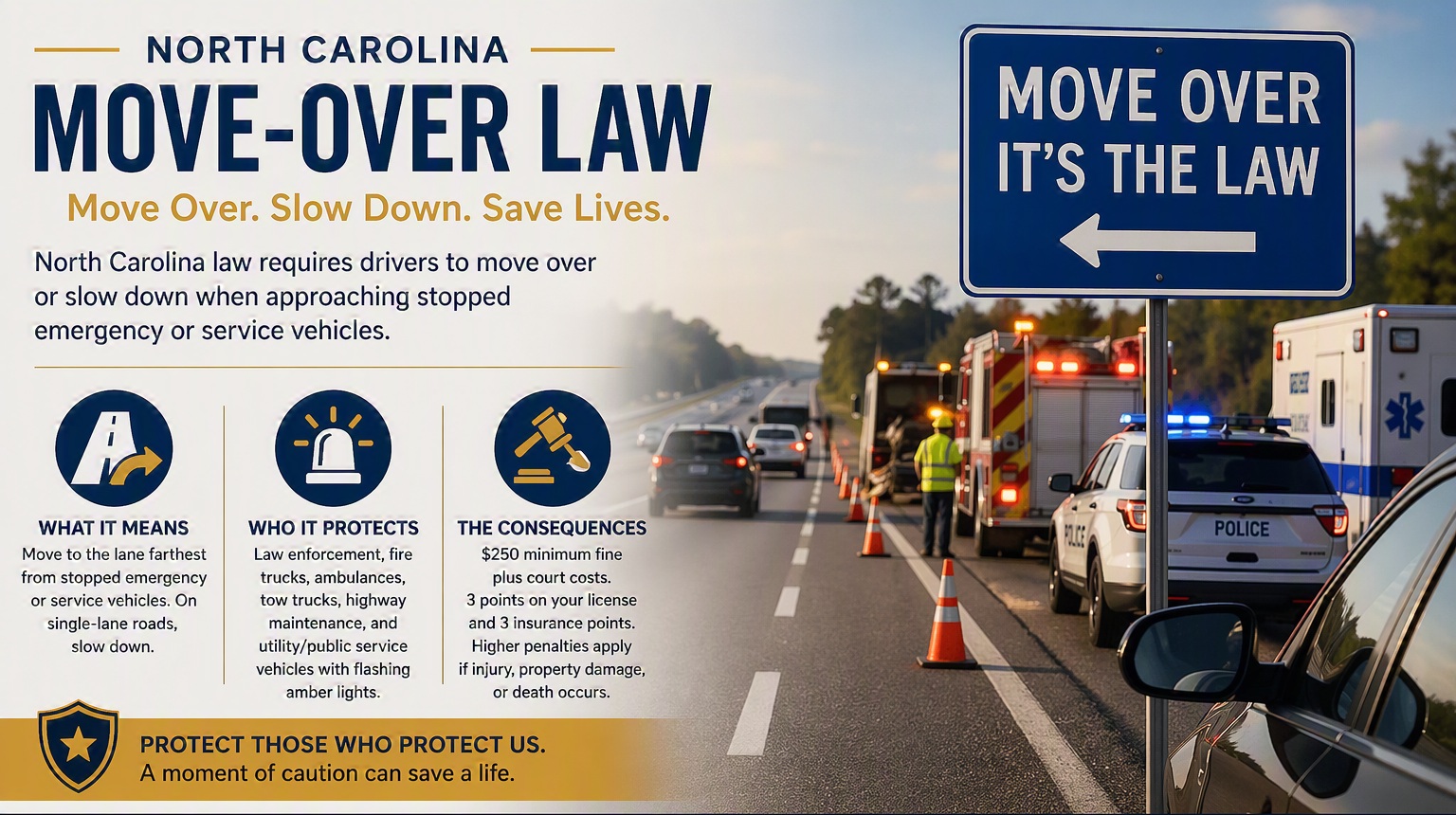
Charlotte-Criminal-defense-lawyer-Move-over-law-1024x573Our roads and highways are busier than ever. Thousands of vehicles travel in North Carolina every day. Often, emergencies require vehicles to pull to the side of the road. Police vehicles, fire trucks, ambulances, tow trucks, repair vehicles, utility trucks, and others are often working along the shoulder. The law requires motorists to move over or slow down when they approach emergency vehicles on the side of the road. This is called the move-over law.

Move Over Law in North Carolina

The move over law in North Carolina (G.S. 20-157) requires vehicles to move over when they see an emergency vehicle on the shoulder. Specifically, the law states that a driver must “move the vehicle into a lane that is not the lane nearest to the parked or standing authorized emergency vehicle or public service vehicle and continue traveling in that lane until safely clear…”.

distractdrive-819x1024Distracted Driving FAQ

With almost 10 million registered vehicles in North Carolina, it is no surprise that the roads are becoming more and more crowded. At the same time, technology continues to improve, allowing access to cell phones, GPS, and more, even when we are behind the wheel. Distractions while driving are common, and there are laws in place to protect road safety. Law enforcement may issue a ticket for someone who is driving while distracted.

What is Distracted Driving?

speedWhat are Super Speeder Laws in North Carolina?
Almost everyone drives over the speed limit from time to time. Driving just a few miles per hour over the limit is usually not much of a problem. Speeding can take on a different and more dangerous problem when a vehicle is driving more than 15 mph above the limit. Most states have laws in place to address super speeders. North Carolina does have legislation in place that applies to those who are driving at excessive speeds.

What is “Super Speeding”?

violationMoving Violation Strategies

Almost everyone has received a moving violation at some time or another. Generally, tickets are issued for minor violations, although in some cases, the violations are serious. The rules of the road are in place to protect drivers and provide safety on our roads. When a driver violates a traffic law, they could receive a ticket. If you have too many tickets or a ticket for a serious offense, it could impact your license and may even result in higher vehicle insurance costs.

Don’t Pay the Ticket

trafWhat Traffic Infractions Result In Criminal Charges?

Driving requires you to adhere to the rules of the road. Laws are in place to ensure the safety of all vehicles. Most traffic infractions are minor in nature, and if you are in violation, you could receive a ticket. If you get too many tickets, you could face some consequences, such as the suspension of your driving privileges. However, some violations are considered so egregious that there are also potential criminal charges if you disobey them.

Hit and Run

registration-819x1024Vehicle Registration Violations in North Carolina

North Carolina, like other states, requires all vehicle owners to properly register their vehicles. Every vehicle that travels on public roadways must have a current registration. In order to register a vehicle you must meet specific criteria. Vehicle registration is a sticker tag that is affixed to the rear license plate. The failure to display a current vehicle registration sticker could result in penalties. Generally, these violations are minor but in some circumstances, they could actually turn into a misdemeanor criminal violation.

Vehicle Registration Guidelines

reckless-819x1024Q and A:  Reckless Driving in North Carolina

What is the Definition of Reckless Driving?

Reckless driving is driving any vehicle on a highway or other public vehicular area “carelessly and heedlessly in willful or wanton disregard of the rights and safety of others”. It simply means that a driver was operating their vehicle in an unsafe manner or in a dangerous way. Reckless driving also applies to commercial vehicles carrying loads in an unsafe or dangerous manner. Typically, reckless driving is due to speeding, although it may apply to any situation in which a driver endangers others.

Contact Information