 Charlotte Criminal Lawyer Blog


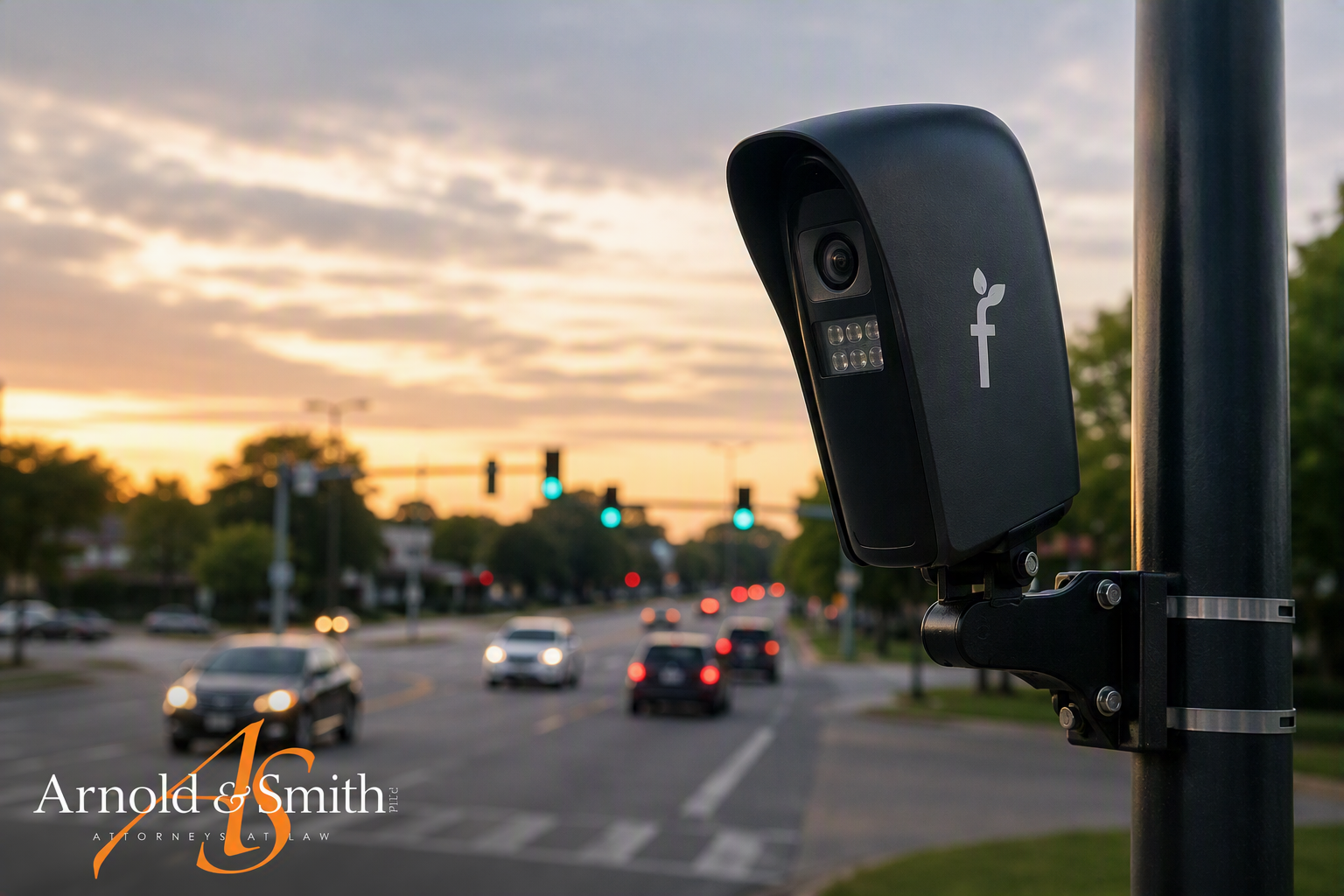 It seems like almost everywhere you go, you will see cameras monitoring the area. While many are private surveillance cameras, some are flock cameras. You may notice flock cameras located near streets and intersections to get information about traffic and other things. With an influx of these types of cameras, many people wonder what information they obtain and whether using them is legal.
What are Flock Cameras?
Flock cameras are proprietary cameras that capture various data points on vehicles within specific areas where they are mounted. They are automated license plate readers (ALPRs) that use high-speed cameras to collect data from passing vehicles, including license plate information. These cameras use AI technology that cross-references data collected with the databases of governmental agencies. Flock cameras are typically installed on tall poles above intersections or roadways, particularly in locations that may be beneficial to the police.
How are Flock Cameras Used?
There are more than 700 flock cameras in use in North Carolina. Flock cameras take still photos that provide detailed information to law enforcement. Law enforcement officials utilize data gathered from flock cameras in a number of ways. They are primarily used to monitor traffic at intersections but also have other uses. Images capture license plate numbers and can flag vehicles to law enforcement, such as stolen vehicles or those involved in potential crimes. Police can search for wanted criminals using flock camera technology.
What Are the Legal Uses for Flock Cameras?
ALPR cameras collect information in the public realm. The use of the information gathered is supposed to be reserved only for those in law enforcement who require it for specific purposes. Flock camera data is generally held for a period of 30 days, after which time it is erased or unavailable. The data is not accessible by the general public. To access data, an authorized law enforcement member must submit a request that includes the specific reason for the information.
Privacy Concerns
There has been an increased awareness and concern about the use of flock cameras. The general public may have questions about the collection and use of personal data and who has access to the information. It has been noted that flock cameras collect much more information than simply license plate numbers. It also records extensive data about the vehicle and potentially the owner or driver of the vehicle. Details such as the color and make of a vehicle, and even specific identifying features, such as bike racks, have been reported in data collected by cameras. Some people feel that this goes far beyond the initial intent of public safety and could be an infringement of the Privacy Act.
The Future of Flock Cameras
The future of flock cameras is uncertain. Generally, law enforcement is supportive of the use of ALPR cameras. However, some municipalities are removing flock cameras due to the concerns of the public. In some areas, there is ongoing public outcry to remove the cameras. The technology of flock cameras will certainly increase over time, and therefore, there could be additional information that may be obtained from them. The ongoing issues with the use of these cameras will likely continue to be a debate for the foreseeable future.
If you are facing traffic citations or criminal charges, we can help. Contact our law firm at Arnold & Smith, PLLC, at (704) 370-2828 to speak with our legal team.
The criminal defense attorneys at Arnold & Smith, PLLC represent individuals facing a wide range of state and federal criminal charges. Our practice includes traffic violations, DWI/DUI offenses, drug crimes, firearm and weapons charges, and gun permit denials.
We also defend clients accused of property crimes, including larceny, breaking and entering, robbery, fraud, embezzlement, and other white-collar offenses. Our attorneys handle cases involving sex-related offenses, such as indecent exposure, sexual assault, crimes against nature, and petitions for removal from the sex offender registry. In addition, we represent individuals charged with violent crimes, including domestic violence offenses, assault, manslaughter, homicide, and murder.
Beyond criminal charges, we assist clients with related legal matters such as restraining orders, probation violations, expungements, criminal appeals, and immigration issues arising from criminal allegations. We believe that informed clients are empowered clients, and we are committed to helping individuals understand their constitutional rights while providing aggressive and effective legal representation at every stage of the process.
Source:
https://www.flocksafety.com/blog/what-do-flock-cameras-actually-capture
https://www.justice.gov/opcl/privacy-act-1974
See Our Related Video from our YouTube channel:
Arnold & Smith, PLLC – YouTube
See Our Related Blog Posts:
The Legality of Doorbell Cameras in North Carolina
Do Police Need a Warrant to Conduct a Drone Search?