Charlotte Criminal Lawyer Blog









 On August 1, 2011, a Catawba county judge granted Elisa Baker’s Motion to Change Venue. Ms. Baker’s motion to change the venue of the trial was based on the extensive media coverage this case has attracted. Her attorney, Scott Reilly, felt that Ms. Baker could not receive a fair trial in Catawba County because of the coverage. District Attorney Jay Gaither did not oppose Ms. Baker’s motion. Although he felt that Ms. Baker would have been able to receive a fair trial in Catawba County, he “trust[s] the jury system… wherever we go.”
In a recent television interview with Charlotte News Channel 14, Charlotte criminal attorney J. Bradley Smith was asked to comment on this case where he said that he agreed with Attorney Scott Reilly’s recommendation to change the venue. Smith goes on to say, “what the next step will be is what county has a similar demographic makeup, population, etc. to Catawba County and what county the case will be moved to.” Smith thought that Rutherford County, NC might be in contention.
Ms. Baker has been held in the Catawba County Jail since she was arrested in October for writing a phony ransom note in order to make it seem that her step-daughter Zahra Baker had been kidnapped. She has since been charged with second degree murder. Ms. Baker told family members that Zahra died after an illness and that she and her husband panicked and disposed of the body instead of notifying officials. Family members have told authorities that Zahra’s father was afraid to take Zahra to the hospital because he was in this country illegally and social workers had previously investigated complaints against Ms. Baker.
Traditionally, the proper venue for a trial is the county where the crime or portion of a crime took place. However, under North Carolina law, a Defendant may make the motion to change venue. The court must then rule whether “there exists in the county in which the prosecution is pending so great a prejudice against the defendant that he cannot obtain a fair and impartial trial.” Here, the court has found that there is little likelihood that Ms. Baker can receive a fair trial if it is held in Catawba County. The question is where the trial should be held.
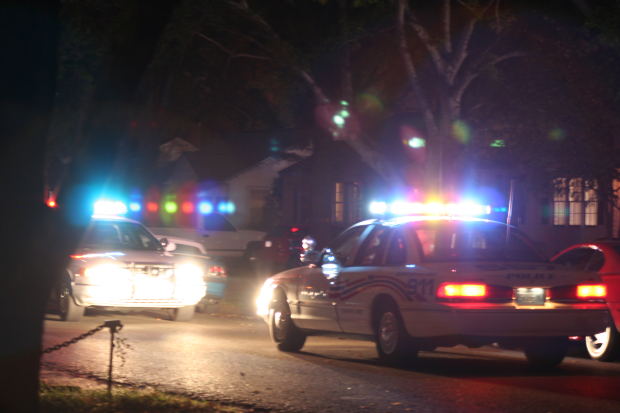
 On July 21, 2011, Lareko Williams was tased by police after they say he was found beating and choking a woman at a Lynx light rail station in Charlotte. An hour later, Mr. Williams was pronounced dead. This death comes one day after a Charlotte federal jury awarded the family of Darryl Wayne Turner $10 million for his death after being tased by the CMPD. CMPD has now suspended their use of tasers for up to 45 days in order to make sure its tasers are working properly and to independently test the taser that caused Mr. Williams’ death.
 Mecklenburg County defendants’ use of the “Moorish Nation” defense is interfering with District Attorney Andrew Murray’s new policy of taking more cases to trial. By invoking this “defense,” defendants force assistant district attorneys to deal with frivolous motions that delay the case. However, the real losers with this defense are those who try to use it, who, according to
  In May, Robert Allan Lehmann was charged with murdering his ex-wife Emily Ford and her father, Russell Ford, after Lehmann lost a custody battle earlier that day. Orange County, CA Prosecutors allege Lehmann sent his current wife and his daughter out for ice cream and waited for Emily and her father to come to take custody of their 7-year old daughter. Prosecutors claim once Emily and her father arrived, Lehmann opened the door and then opened fire on Emily and her father as they tried to run away. Prosecutors further allege that after Emily and her father fell, Lehmann reloaded and then executed them both by shooting each in the back of the head.