 Charlotte Criminal Lawyer Blog


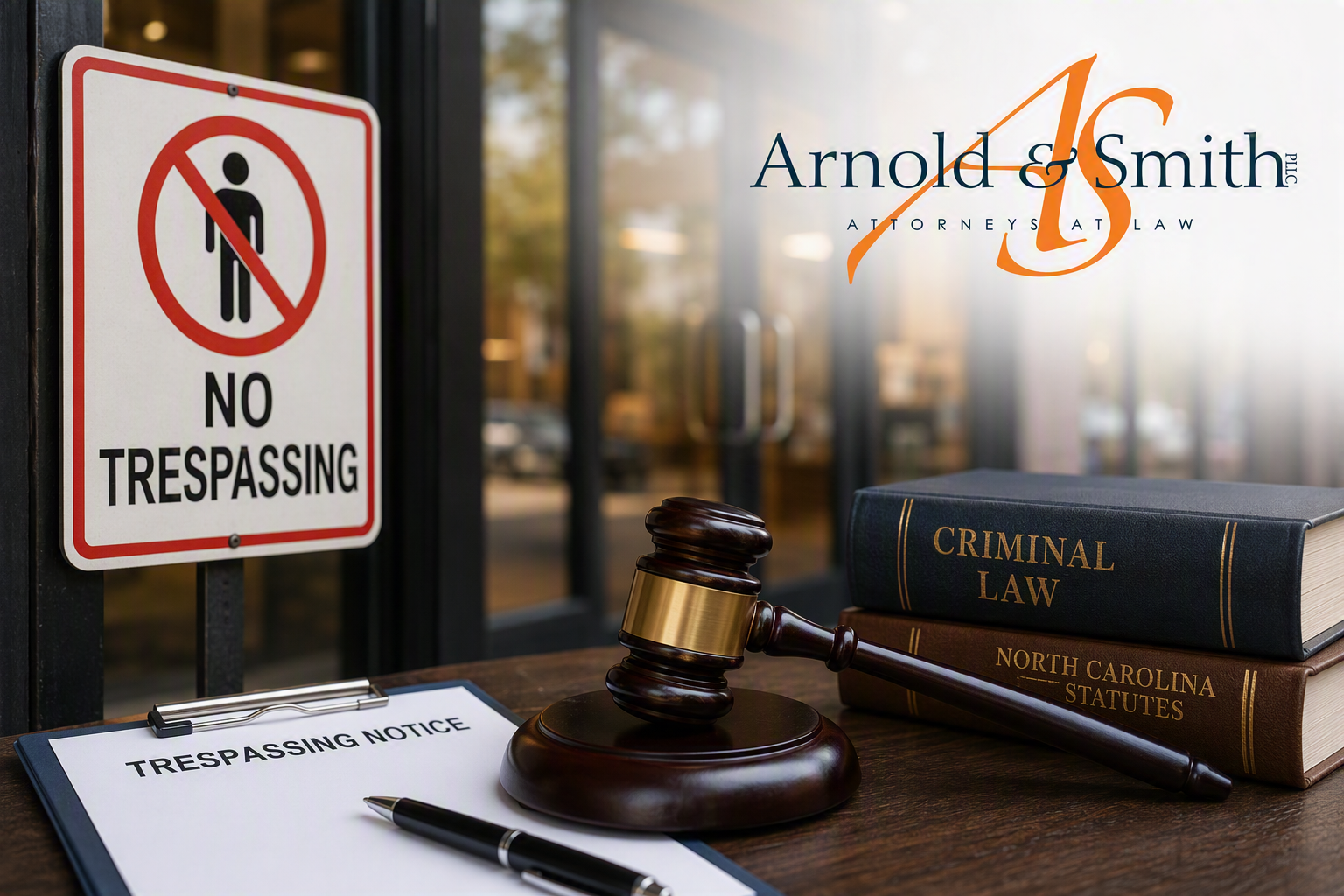 It seems as though going into a store or place of business should be allowed. Yet, there are some circumstances in which a person may be banned from entering. Even though the store is open to the public, it is owned by a private party. The store, therefore, has the right to keep someone out of its business. If you have been banned, or trespassed, from a place of business, it can be a scary and humiliating experience. In some instances, you can be criminally charged with trespass.
Types of Trespassing
There are several levels of trespassing in North Carolina. Second-degree trespass happens when you are found on the property after you have received a trespassing notice. This is a Class 2 or Class 3 misdemeanor. First-degree trespass is a Class 2 misdemeanor, but it is more severe. An example of first-degree trespassing is when a person enters or remains on a property without permission, such as a fenced yard.
Domestic criminal trespass happens when a person enters the premises of a former spouse or domestic partner after having been banned. This is a Class 1 misdemeanor. Trespassing is a felony in some situations. When trespassing occurs on utility properties when there is intent to cause disruption, the charge would be a felony.
How is a Trespassing Notice Given?
A business or property owner may put a person on notice for trespassing. This means that the person is officially banned from the property and is not allowed back. Trespassing notice may be given verbally or in writing with a notice of trespass. It may also be communicated through signage. For example, a “No Trespassing” sign warns people that they are not allowed on that particular property. If a person is told to leave but refuses to go, the owner may get the police involved. Generally, the police will formally trespass the person in writing and ensure that they leave the area.
Penalties for Trespassing
The penalties for being found guilty of trespassing vary greatly depending on the circumstances. In general, if you are found guilty of trespassing after having been warned not to return, you will face a Class 3 misdemeanor, which carries penalties of a fine of up to $200 and up to 20 days in jail. The potential sentence for a Class 2 misdemeanor includes fines of up to $1,000 and up to 60 days in jail. A Class 1 misdemeanor could result in up to 120 days in jail. If convicted of felony trespass, the penalties increase.
Defending Trespassing Charges
If you have been charged with trespassing, it is important to know your rights. The state will need to prove that you had been warned of trespassing or knew you were not allowed, and that you later trespassed on the property. In some cases, there will be evidence, such as video surveillance. However, you may be able to prove that you were never properly trespassed. An experienced attorney will guide the process and help protect your rights for a fair outcome.
If you have been charged with trespassing, you will want to contact an attorney as soon as possible. Call us today at Arnold & Smith, PLLC, at (704) 370-2828 to speak with our legal team.

The criminal defense attorneys at Arnold & Smith, PLLC represent individuals facing a wide range of state and federal criminal charges. Our practice includes traffic violations, DWI/DUI offenses, drug crimes, firearm and weapons charges, and gun permit denials.
We also defend clients accused of property crimes, including larceny, breaking and entering, robbery, fraud, embezzlement, and other white-collar offenses. Our attorneys handle cases involving sex-related offenses, such as indecent exposure, sexual assault, crimes against nature, and petitions for removal from the sex offender registry. In addition, we represent individuals charged with violent crimes, including domestic violence offenses, assault, manslaughter, homicide, and murder.
Beyond criminal charges, we assist clients with related legal matters such as restraining orders, probation violations, expungements, criminal appeals, and immigration issues arising from criminal allegations. We believe that informed clients are empowered clients, and we are committed to helping individuals understand their constitutional rights while providing aggressive and effective legal representation at every stage of the process.
Source:
https://www.law.cornell.edu/wex/trespass
https://www.ncleg.net/EnactedLegislation/Statutes/HTML/ByArticle/Chapter_14/Article_22B.html
See Our Related Video from our YouTube channel:
Arnold & Smith, PLLC – YouTube
See Our Related Blog Posts: