 Charlotte Criminal Lawyer Blog


The Charlotte-Mecklenburg Police Department recently kicked off a “Booze It or Loose It” campaign and this one is set to coincide with the year’s Halloween festivities. The purpose of the new enforcement effort is to crack down on drunk drivers during what can be a busy season. The campaign will be in effect until the day after Halloween and indications are the police will round up hundreds of drivers.
Numbers are in for the first few nights of the drunk driving enforcement push and the CMPD has said that they set up a DWI checkpoint on the 4900 block of Providence Road. The checkpoint was only in place for five hours yet it managed to produce 53 arrests, 8 of which were on DWI charges.  Police had a similarly busy second night, with a checkpoint on the 6100 block of Brookshire Boulevard leading to 64 arrests, 10 of which were DWI-related.
If you ever find yourself caught up in such a checkpoint there are some important tips to remember. First, place both hands on the steering wheel in plain view of the officers. It’s important that officers see that you do not pose a threat to them. Second, be nice and cooperative as there is no reason antagonizing the officer, it will only exacerbate your situation.
Next, remember not to make any unnecessary statements. When you are pulled over the officer will ask for your license and registration as well as some basic personal information. All of this is fine to give them. However, as more specific questions that relate to drinking are asked, it’s time to remember your right to keep quiet. Don’t be rude, but politely tell the officer that you have been advised not to answer such questions and that you would like to exercise your right not to.
If the officer continues the investigation, field sobriety tests are next. It’s important to know that you do not have to take these tests. If you refuse to take them, the fact that you refused may be used against you at trial, but you will not lose your license for refusing to take a field sobriety test. If you do decide to take the tests, make sure to listen to the instructions and follow them carefully. Any failure to follow the instructions will be used against you as a sign that you are impaired.
 There was a big drop to the third place county, Guilford, which had 106 arrests during the campaign. The results indicate that many drivers were choosing to drink and drive while at or near the beach, as three of the top 10 counties for DWI arrests are located on the coast of the state: Carteret, New Hanover, and Brunswick.
 During the same time period, more than two-thirds of drunk driving deaths (7,145 or 70 percent) involved drivers with a blood alcohol concentration (BAC) of .15 or higher. Overall, the most frequently recorded BAC among drunk drivers involved in fatal crashes was .18 BAC.
 Officer Padgett arrested Bradshaw the first time for drug possession and driving with a revoked license following a traffic accident. Bradshaw then posted bond of $2,500 and got out of the Gaston County Jail at 9:21 p.m. last Thursday.
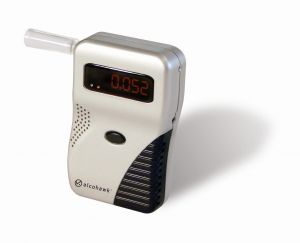 The organization conducted a controlled experiment to determine just how accurately the device measured a person’s BAC. The test also served as a training exercise for officers to help them recognize signs of an impaired driver.
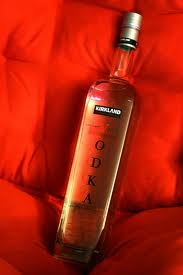 Two teenagers were involved in a crash that killed one, a 17 year-old-girl, and injured another, the 16-year-old driver. The driver, Garrett Prince, has been charged with multiple counts in connection with the crash, including “felony death by motor vehicle, driving while impaired, provisional DUI, careless and reckless driving, having an open container of liquor, speeding and possession of marijuana.”
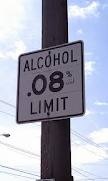
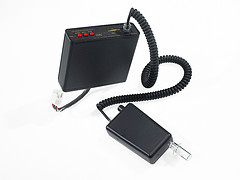 Since the passage of North Carolina’s Laura’s Law in June by Governor Beverly Perdue, the courts have been tougher on drunk driving especially Hard Core Drunk Drivers (HCDD). The law is named for a North Carolina teenager who was killed by a drunk driver who had three prior DWI (Driving While Impaired) on his record. In the past, excessive offenders would be given an interlock device on their car which would force them to blow into a device before operating their vehicle. Research has found that with these interlock ignition devices, many of the offenders get a “blow fail” which means that at the time they were too drunk to operate the vehicle but still attempted to do it. The interlock ignition device is used for HCDD which are those offenders who are found to blow over a .15 BAC (.08 is the legal limit in NC).
 Defending your
  If you see blue lights come on behind your vehicle and it’s after midnight on about any day of the week, chances are the Officer stopping your vehicle is going to ask you if you have consumed any alcohol that evening. If he smells even the faintest odor of alcohol a Driving While Impaired investigation is almost certainly to follow. Hopefully after performing some routine field sobriety tests you will be allowed to get back in your vehicle and drive away, however, you may find yourself being placed in handcuffs and arrested.