 Charlotte Criminal Lawyer Blog









The Charlotte-Mecklenburg Police Department recently kicked off a “Booze It or Loose It” campaign and this one is set to coincide with the year’s Halloween festivities. The purpose of the new enforcement effort is to crack down on drunk drivers during what can be a busy season. The campaign will be in effect until the day after Halloween and indications are the police will round up hundreds of drivers.
Numbers are in for the first few nights of the drunk driving enforcement push and the CMPD has said that they set up a DWI checkpoint on the 4900 block of Providence Road. The checkpoint was only in place for five hours yet it managed to produce 53 arrests, 8 of which were on DWI charges.  Police had a similarly busy second night, with a checkpoint on the 6100 block of Brookshire Boulevard leading to 64 arrests, 10 of which were DWI-related.
If you ever find yourself caught up in such a checkpoint there are some important tips to remember. First, place both hands on the steering wheel in plain view of the officers. It’s important that officers see that you do not pose a threat to them. Second, be nice and cooperative as there is no reason antagonizing the officer, it will only exacerbate your situation.
Next, remember not to make any unnecessary statements. When you are pulled over the officer will ask for your license and registration as well as some basic personal information. All of this is fine to give them. However, as more specific questions that relate to drinking are asked, it’s time to remember your right to keep quiet. Don’t be rude, but politely tell the officer that you have been advised not to answer such questions and that you would like to exercise your right not to.
If the officer continues the investigation, field sobriety tests are next. It’s important to know that you do not have to take these tests. If you refuse to take them, the fact that you refused may be used against you at trial, but you will not lose your license for refusing to take a field sobriety test. If you do decide to take the tests, make sure to listen to the instructions and follow them carefully. Any failure to follow the instructions will be used against you as a sign that you are impaired.
 This is what is known as a “search incident to arrest.” Any and all items found during this search are deemed admissible in Court. During a typical search, officers are trained to look for items that might provide useful evidence for the case or that might cause harm to themselves or others. Another use of such searches is to gather information that might provide a clue about other individuals involved in the alleged criminal activity.
 Despite a small rise last year, the juvenile rime rate was 29.72 per 1,000 youths, still below the 2007 rate of 31.75.
 Advocates of the law say that doing so compromises the integrity of the justice system by introducing an element of racial bias.
 News stations in Asheville have reported that police in the area are still investigating the assault and that no arrests have been made as of yet. If the suspects are apprehended, they could be charged with simple assault because under North Carolina law, sexual orientation is not a protected class according to the state’s hate crime law.
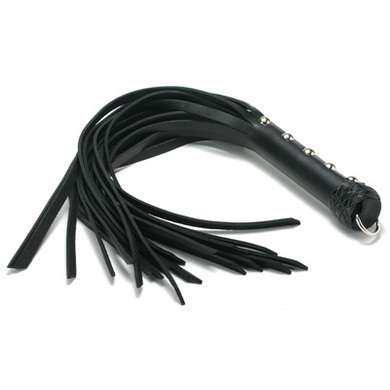 Prosecutors argue that Bagley, known as “Master Ed,” tortured her and force her to engage in similar acts with other men.
 These opponents of the law argue that DNA samples represent an unreasonable search and seizure of private information when the person has only been accused and not convicted of a serious offense.
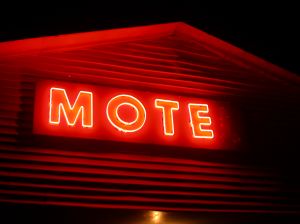 The operation was successful from the police’s point of view, as five women were arrested earlier this week and charged with various prostitution-related crimes.
 Moss was able to collect not only the location of the laptop, but a photograph of the man who stole it and the email address of the new user.
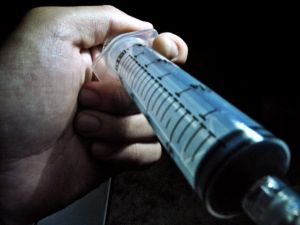 After refusing, McNeely was taken to a clinic where the officer ordered a medical technician to draw his blood without his consent. The test results showed that he was indeed intoxicated.