Charlotte Criminal Lawyer Blog









Attorney J. Bradley Smith answering the question: “Can the police search my car without a warrant?”
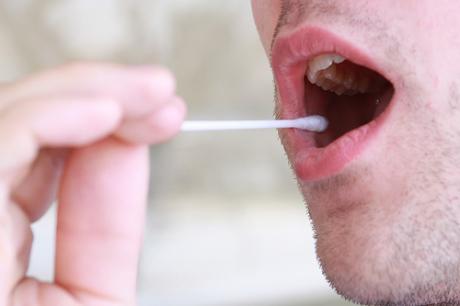
Many people know that the U.S. Constitution affords criminal defendants the right to confront their accusers. Though that seems clear enough, the North Carolina Supreme Court has recently wrestled with the problem of what to do if the accuser is not a person, but instead a lab test. Does the test speak for itself or do its results require the use of an expert witness?
 The state Supreme Court issued a ruling on the matter this week and found that such lab tests can stand on their own if cited by an expert witness offering an independent opinion. Other have argued that this conclusion is incorrect and that a lab test should face the same amount of scrutiny that a person would face and that means the analyst who conducted the test should be required to testify at trial.
Some criminal defense experts in North Carolina believe the Confrontation Clause requires that the person who actually handled the steps of conducting the lab test be in court to answer questions about exactly what was done. Only then can the defendant be said to truly have had the right to confront his or her accuser.
The case before the Court involved a traffic stop by Charlotte-Mecklenburg police in 2007 that led to the discovery of what appeared to be cocaine. The defendant, Mario Eduardo Ortiz-Zape, was charged with possessing 4.5 grams of cocaine with the intent to sell or deliver it. The crime lab analyst who tested the cocaine was no longer employed by the agency when the case finally made its way to trial so prosecutors instead called an analyst with the Charlotte-Mecklenburg Police Department crime lab to act as an expert witness and offer her independent opinion about the test.
 Federal prosecutors say the leader of the fake prescription ring, Joshua Balkind, is already in prison serving a 20-year term. The other two participants were sentenced to 70 months in prison this Wednesday. Officials say the scheme worked by having Balkind make fake prescriptions using software on his home computer. He would then give the fake oxycodone prescriptions to drug addicts like Rhodes and DeYoung and essentially split the take, giving the addicts several pills and taking the rest to sell on the streets at a steep markup.
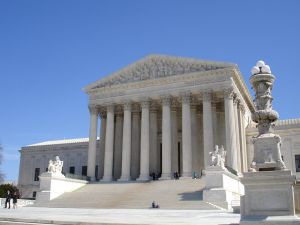 The case, Peugh v. United States, concerned a man who committed bank fraud back in the late 1990s. It took a long time for his case to be tried and for a sentence to be handed down, more than 11 years in fact. By 2010, a new round of sentencing guidelines had been issued which contained a suggested sentencing range of between 70 and 87 months for Peugh’s crime. The issue was that at the time the crimes were perpetrated, the sentencing range was dramatically more lenient, only 30 to 37 months. The judge who heard the case ultimately chose a 70-month sentence, something that many believed was clearly influenced by the new guidelines.
 The arrests were the result of a four-year undercover investigation into illegal hunting practices known as Operation Something Bruin. Officers with the North Carolina Wildlife Resources Commission and the U.S. Forest Service worked together using social media to infiltrate poaching circles and record legal violations. The investigators created fake social media profiles and found out about illegal organized hunts on federal land.
 The case involves a horrible 1992 Texas double murder case where the suspect voluntarily answered police questions for nearly an hour. However, as the police asked more incriminating questions about shotgun shells found at the scene, the suspect stopped talking. Prosecutors later used Salinas’ silence against him and portrayed it as evidence of his guilt. The strategy worked like a charm for prosecutors and Salinas was found guilty.
 A spokesperson for the Central Division of CMPD says that officers will be working hard over the coming days and weeks to impress upon people that the bus station is for catching a bus and nothing more. The spokesperson said the department’s position is clear that those interested in loitering can go elsewhere to hang out.
 The accident left two troopers injured as they tried to escape the accident. Willis’ nine-year-old child was thankfully not injured in the accident. Police say when they ran to the car after the accident they were able to detect the smell of alcohol on Willis’ breath and asked him to submit to a breathalyzer test. Willis blew a 0.14 percent BAC, well above North Carolina’s legal limit of 0.08.