 Charlotte Criminal Lawyer Blog


Charlotte DWI and Criminal Defense Attorney J. Bradley Smith of Arnold & Smith, PLLC answers the question “If I simply intend to plead guilty, why do I need a lawyer?”
Charlotte-Mecklenburg police officers arrested two Charlotte eye doctors on Tuesday and charged them with trafficking in opiates, obtaining a controlled substance by fraud, and larceny.
 A patient of Dr. Benjamin Lanier Hobbs and Dr. Samuel Ryan Hobbs said he was given a prescription for hydrocodone and told to return to Clear View Eye Care—where the doctors worked—once it was filled. The patient complied, but said when he brought the pills to the doctors’ office, the doctors removed a portion of the pills from the bottle before returning the bottle to him.
Detectives told Charlotte’s WBTV that the doctors prescribed large amounts of hydrocodone to patients. Detectives executed search warrants at the doctors’ offices in order to seize records relating to unknown victims.
The doctors’ arrest follows several other high-profile drug trafficking cases involving Charlotte-area doctors. Law enforcement officials say the over-prescribing of drugs and doctor involvement in prescription drug trafficking is a troubling trend.
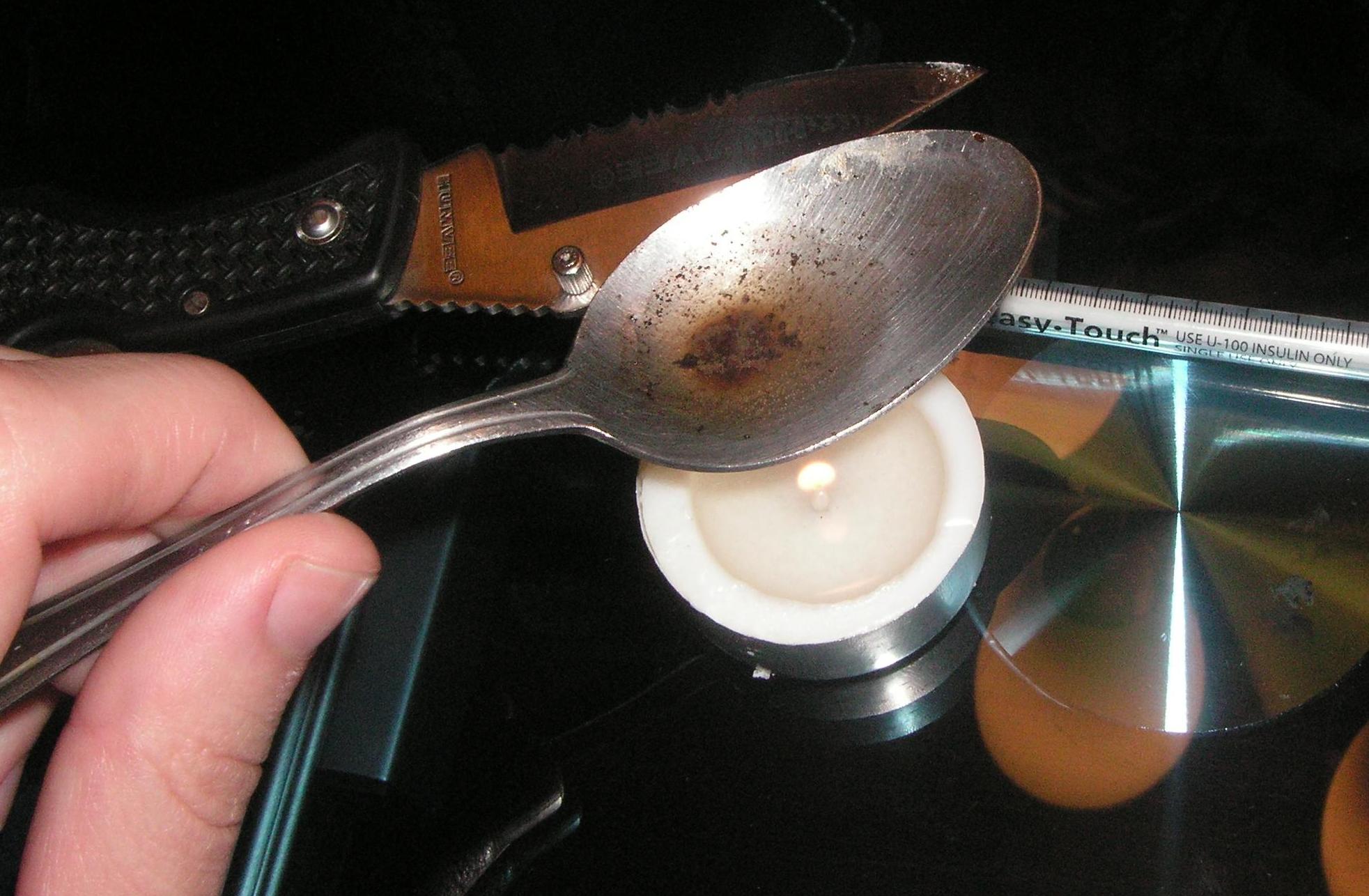
 The new tools, which are swab-testing kits, will be used primarily during DUI checkpoints and in jails to test those who have already been arrested. The department intends to pair the devices with breathalyzers and subject drivers at checkpoints to both a breath test and mouth swab to detect the presence of drugs. The test has been designed to screen for the presence of methamphetamine, cocaine, benzodiazepine, methadone and THC, a component of marijuana.
 A spokesperson for ALE said that the raid was the result of a six-month investigation conducted by various law enforcement agencies after local authorities received complaints about a range of illegal activities taking place at The Ranch, a local nightclub. Agents who participated in the raid say they discovered employees who sold illegal drugs to patrons, others that engaged in prostitution and other sexual offenses and still others who broke state alcohol control laws.
  Authorities say that the two suspects walked off with a large supply of drugs from the CVS located on Blocking Rock Road. Though they are currently on the loose, security footage from inside the store gave investigators a glimpse at their faces as well as an idea of the car the two are driving.
 The SBI says that its agents are focusing on doctors, nurses and pharmacists as well as other health care workers that might be involved in diverting prescription drugs from patients who desperately need the medicine. According to authorities, painkillers are the most often stolen drugs and the central focus for ongoing law enforcement efforts.
 According to authorities, three men hiked off into the woods in rural Caldwell County over the weekend. Late Monday night the local sheriff’s office received a 911 call from Sonny Hyatt, who told dispatchers he and his two friends, Thomas Imler and Eric Schmidt, were lost in the woods. Authorities tracked down Hyatt using the GPS coordinates in his cellphone and rescued the three men.
 Police say they pulled over Rigoberto Gomez-Contino early Tuesday morning as part of a routine traffic stop along Highway 321 in Lincolnton. After pulling over Contino, they asked for permission to search the vehicle where they discovered a suspiciously out of place blue teddy bear in the backseat. A quick inspection of the bear uncovered three ounces of methamphetamine hiding inside the stuffed animal. Police then arrested Contino and booked him on drug charges.
 Police say the recent indictments were the result of a large-scale, multi-year joint federal and state investigation that targeted those responsible for manufacturing and distributing methamphetamine in Western North Carolina. The 17 people charged in the criminal enterprise were accused of conspiring to distribute, possess, distribute and manufacture more than 500 grams of methamphetamine as well as possession of pseudoephedrine.
 Federal prosecutors say the leader of the fake prescription ring, Joshua Balkind, is already in prison serving a 20-year term. The other two participants were sentenced to 70 months in prison this Wednesday. Officials say the scheme worked by having Balkind make fake prescriptions using software on his home computer. He would then give the fake oxycodone prescriptions to drug addicts like Rhodes and DeYoung and essentially split the take, giving the addicts several pills and taking the rest to sell on the streets at a steep markup.