 Charlotte Criminal Lawyer Blog


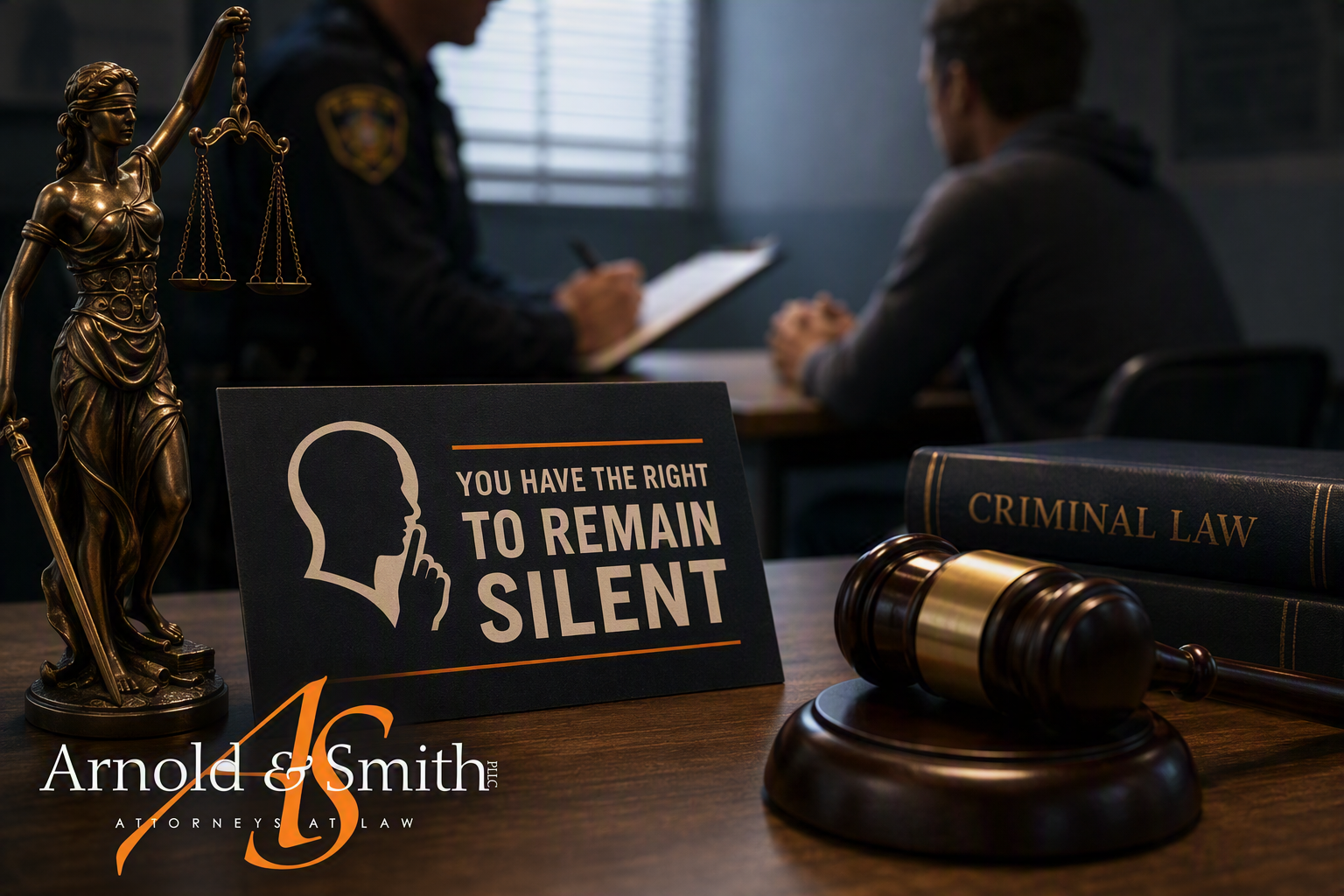 If you are facing criminal charges, you need to understand your rights. You have rights, and you need to make sure that your rights are not violated. Whether you are being questioned by law enforcement or have already been detained or arrested, you can and should know why and how to invoke your right to remain silent. A knowledgeable criminal defense attorney will be instrumental in assisting you through the process and protecting your rights.
Protections Under the Fifth Amendment
The United States Constitution provides citizens with important rights. These rights are designed to ensure that you are protected from improper prosecution or punishments without being able to protect yourself. The Bill of Rights is detailed in the ten amendments to the Constitution. The Fifth Amendment particularly pertains to those who are accused of a crime. There are several key rights, including that no person “shall be compelled in any criminal case to be a witness against himself.