Articles Posted in Court Procedures

J. Bradley Smith of Arnold & Smith, PLLC answers the question “What is the difference between a misdemeanor and a felony?”


It is no exaggeration to posit that millions of men and women have fought and died for the freedoms we enjoy as citizens of the United States of America. At the very bedrock of our Constitutional system is the right of criminal defendants to trial by a jury of one’s peers.
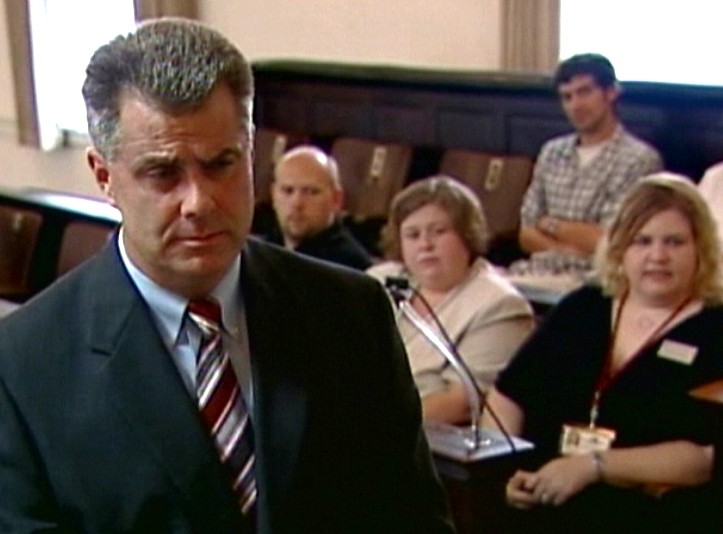
Jury Selection Charlotte DWI Lawyer North Carolina Criminal Defense AttorneyThe Sixth Amendment to the United States Constitution provides that “In all criminal prosecutions, the accused shall enjoy the right to a speedy and public trial, by an impartial jury of the State and district wherein the crime shall have been committed…” It is the job of judges and courts to determine what laws mean—including the text of the Constitution.

In general, the Sixth Amendment jury-trial right has been interpreted to apply in both civil and criminal cases in which a defendant is threatened with an active prison sentence. Traditionally, felonies were defined as the more serious criminal offenses for which punishment often meant an active prison sentence, so defendants charged with felonies were generally entitled to trials by jury. Defendants charged with misdemeanors who did not face a potential prison sentence did not enjoy the right to trial by jury. Their cases were heard by a judge. Those cases are called “bench trials.”

With the advent and expansion of modern criminal codes, states have blurred the lines between crimes that may result in an active prison sentence. Many states—North Carolina among them—have different classes of felonies and misdemeanors, and some of the more serious misdemeanor offenses may subject a criminal defendant to an active prison sentence. That means nowadays some misdemeanor criminal defendants enjoy the right to trial by jury.

Continue reading

J. Bradley Smith of Arnold & Smith, PLLC answers the question “If I have an outstanding warrant, what should I do?”


Many defendants in criminal cases may find coming to the county courthouse for mandatory court appearances to be an unpleasant experience in the company of unpleasant people. Criminal defense attorneys visit courthouses every day, so we are very much in tune with the procedures—and personalities—of courthouses and courthouse staff.

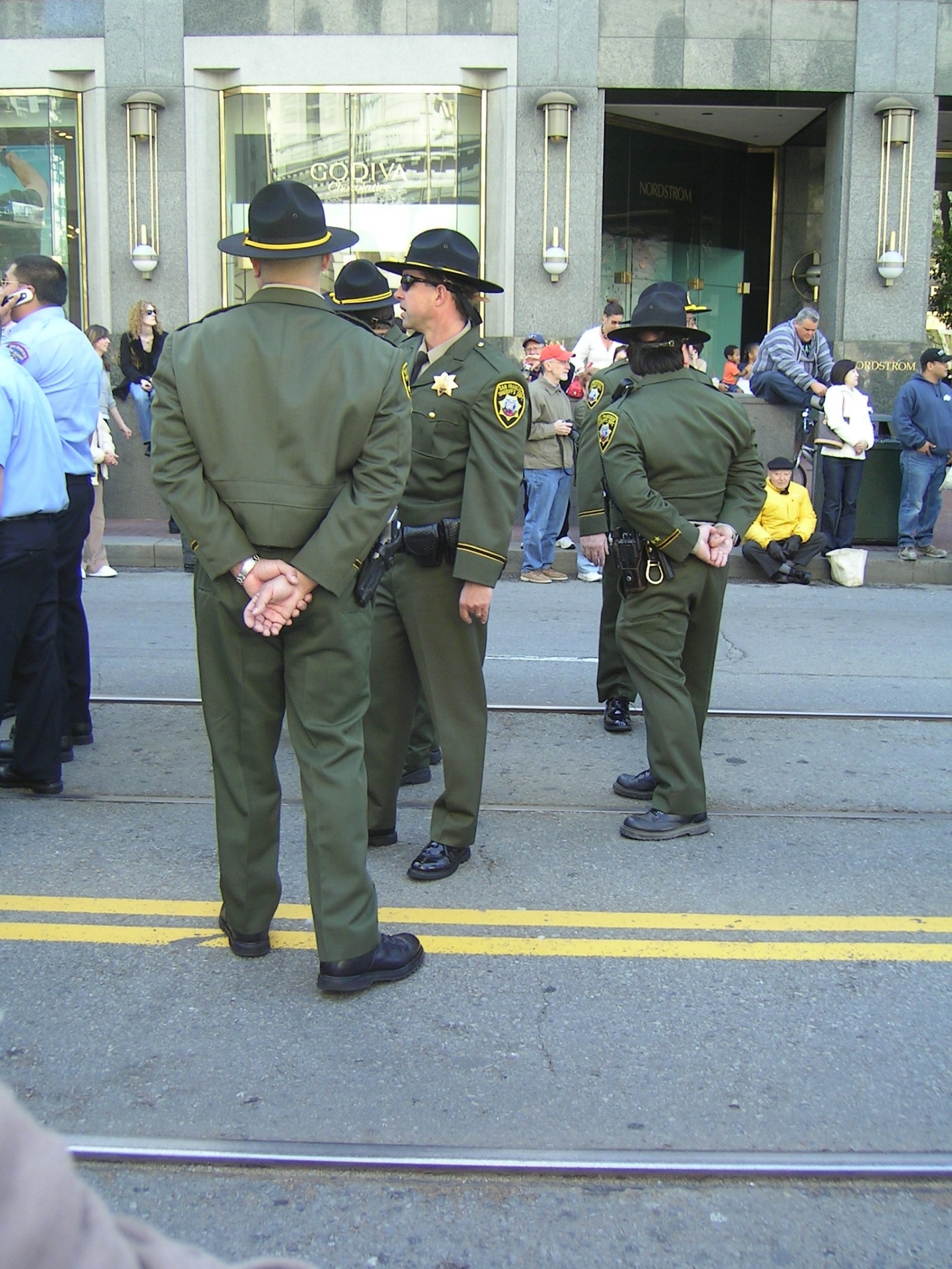
Court Deputies Charlotte DWI Lawyer North Carolina Criminal Defense AttorneyAlthough, technically speaking, we are “officers of the court,” we are subject to many of the same processes to which the general public and criminal defendants are subject. In theory and sometimes in practice, attorneys have the credentials to bypass security checks at the entrances to courthouses, but many times it is easier and more expeditious to just go through security than to try to explain to an officer why one should not have to take one’s belt and shoes off and pass through a metal detector.

Attorneys who do not appear in court very often or who are handling a case in a county for a first time may be asked by deputies stationed in courtrooms to produce identification. All of this is done to protect courtroom staff—judges, prosecutors and clerks—as well as jurors, defendants and the public.

While spending time in the company of dozens of armed guardians may not meet the definition of “pleasant,” an incident in a Charlotte courtroom on Tuesday underscores why officers are understandably wary of nearly every face they see entering a courthouse and courtroom.

Continue reading

Attorney J. Bradley Smith answering the question: “What are the long term effects of being convicted of a crime?”


If you or someone you know is facing a criminal matter, it can be confusing to know how best to move forward. Though you might have a vague idea of how the criminal justice system functions, there are likely all kinds of issues that you have questions about. Bail is a good example of an issue that most people have heard of, but may not fully understand. To find out more about how bail works in a North Carolina case, keep reading.


Question Mark Charlotte Mecklenburg DWI Lawyer North Carolina Criminal AttorneyWhat is bail?


First things first, what is bail? Bail is a system that allows criminal defendants to be released from jail in exchange for money that the court holds onto until the case is over. The money is held as a kind of guarantee that the person will not run off. If you flee, then the money you paid is forfeited and you will face additional charges when you are eventually caught.


How does it work?


Continue reading

Attorney J. Bradley Smith answering the question: “Can I be arrested without evidence against me?”


When you think of criminal laws some might appear obvious, prohibitions against murder, physical violence, drug use, thefts, etc. Though the list goes on and on, many might be surprised just how far the list actually goes. A recent article discussed the stunning number of criminal laws in North Carolina and concluded that the number of codes can actually be used as a weapon against residents of the state, allowing police to charge almost anyone with some kind of criminal violation.


keyboard closeup Charlotte DUI Lawyer North Carolina Defense AttorneyExperts say that there are currently more than 1,150 individual criminal codes in North Carolina. These include criminal statutes, motor vehicle rules, codes, and other regulations that have the power to be criminally enforced. A paper by the Manhattan Institute found that this criminalization is excessive and needs to be reformed, worrying that the array of criminal regulations restricts freedom.


Interestingly, legislators in some states have begun to realize that continuing to add crimes to the already lengthy list does little to protect the lives or property of residents. Instead, a patchwork of criminal regulations develops leading to confusion among both citizens and law enforcement officials about what kind of behavior deserves criminal prosecution. Legislators in Tennessee and Virginia have specifically taken to the task of removing outdated or unnecessary crimes from their books, hoping to free up courts and ease the already heavy strain on the judicial system.


North Carolina has taken a radically different approach, adding laws rather than subtracting. Between 2008 and 2013, North Carolina actually averaged more than 34 new criminal offenses to the books each and every year. Though some have pointed out that as recently as 2013, legislators downgraded 21 low-level misdemeanors, the truth is that many more crimes were upgraded than were downgraded during that round of reform.

Continue reading

Attorney J. Bradley Smith answering the question: “Do I need to hire an attorney if I have been falsely accused?”


A public hearing took place earlier this week in Raleigh regarding a possible constitutional amendment in North Carolina that would allow criminal defendants to waive their right to a jury trial. If implemented, the measure would permit anyone except those facing a possible death sentence to choose to waive the right to a jury and instead let a judge hear the case.


Scales of justice North Carolina DWI Attorney Charlotte Criminal Trial LawyerBoth houses of the General Assembly passed the constitutional amendment last year with almost unanimous support. Before the amendment can be officially implemented, it will first need to be approved by a majority of voters in an election scheduled for the fall.


Those who support the measure say that it offers defendants added choices when preparing their defense and also could save the court system serious money. By allowing for a speedier trial process when defendants believe a jury is not in their best interest, the hope is that everyone can benefit.


Though the measure passed the legislature with wide margins of support, there are some critics to the proposed change. Public defenders have been especially cautious about the measure, saying that they worry about the possibility that a judge or a prosecutor could exert pressure on a defendant to accept a bench trial. The interest of speed and judicial economy might come to outweigh a defendant’s wishes in some cases, a possibility that worries those in the criminal defense world.

Continue reading

Attorney J. Bradley Smith answering the question: “What am I obligated to do if I’ve been pulled for Drinking and Driving?”


In a case that highlights just how important it is for those facing criminal charges to behave properly while in court and before a judge, news reports indicate that a teen from North Carolina is now facing jail time after he chose to moon a judge that he was unhappy with.


Moon Charlotte DWI Lawyer North Carolina Criminal Defense AttorneyAccording to witnesses, Jonathan Lee Gaddy, a 19-year-old from Burlington, was in court this past week to face charges related to underage drinking. Though the initial charge was relatively minor, Gaddy managed to make his situation much worse by failing to control his behavior while in front of the judge.


Those in attendance at the time say that Alamance County District Court Judge Jim Roberson asked Gaddy to pull up the waistband of his sweatpants at least two separate times. Judge Roberson was evidently upset that he could see Gaddy’s underpants. Gaddy decided he did not want to pull up his pants and continued ignoring the judge’s direct requests.


On his way out of the courtroom, Gaddy is alleged to have pulled his pants down completely, to below his knees, as he was walking away. Though he never showed any skin, reports indicate that his underwear was entirely exposed.

Continue reading

Attorney J. Bradley Smith answering the question: “What is the difference between a misdemeanor and a felony?”

A grand jury in Charlotte chose to indict a local cop on voluntary manslaughter charges for shooting and killing an unarmed man last September who had just been involved in a late night car accident.


Water Pitcher Charlotte DWI Lawyer North Carolina Criminal Defense AttorneyIt was revealed earlier today that Officer Randall Kerrick, 28, would now face formal criminal charges in connection with the fatal encounter that occurred late on September 14, 2013. The announcement was made after a different grand jury declined to indict Kerrick just last week on the same voluntary manslaughter charge. Kerrick’s attorney tried to block the second grand jury, asking a judge to deny the second hearing, arguing that giving prosecutors a second chance to pursue an indictment violated Kerrick’s rights. However, the judge allowed the second grand jury hearing to proceed.


Kerrick was a former animal control officer who had been on the Charlotte-Mecklenburg police force for a little over three years. The grand jury heard evidence of how Kerrick fired 12 shots at Jonathan Ferrell, a 24-year-old former Florida A&M football player. Ferrell had been involved in a car accident earlier that evening and stumbled for a half-mile down the road before knocking on a woman’s front door. The young woman was home alone with her newborn child and was afraid Ferrell was there to break in.


Police officers, including Kerrick, arrived shortly after the woman called 911 and appeared to do so with their guns already drawn. Some have claimed that Kerrick and the other officers snuck up on Ferrell and failed to identify themselves as police officers. Ferrell was ultimately shot 10 times and died at the scene.

Continue reading

Attorney J. Bradley Smith answering the question: “Should I talk to the police?”

A battle in the state legislature is brewing over a bill that would grant prosecutors dramatically more power in determining which juveniles are tried as adults. The legislation, House Bill 217, would allow prosecutors to decide whether to try children as adults so long as they are 13 or older and have been charged with certain serious felonies.

Watch Children Sign Charlotte NC DUI DWI Criminal Lawyer Attorney.jpgNorth Carolina law currently leaves the decision of whether to try a child in adult court up to juvenile court judges. The measure has sparked a huge outcry from judges and defense attorneys who say giving prosecutors so much power is a bad move. Many believe that judges are in the best position to weigh not only the best interest of the child, but also the best interest of the community before making such an important decision.

Some defense attorneys have worried that prosecutors, who are often required to appear tough on crime, will have very little incentive to keep children in the juvenile justice system. The problem is that the community is seldom made safer by trying kids as adults. Additionally, the children are almost never helped by being moved into an adult prison system that is not equipped to care for them or offer much in the way of rehabilitation.

Continue reading

Attorney J. Bradley Smith answering the question: “Should I talk to the police?”

We recently discussed a U.S. Supreme Court case involving police dogs. The case revolved around how much information concerning the drug-sniffing dog’s abilities prosecutors ought to reveal before their information can be deemed relevant to show probable cause for searching a vehicle.

Building on a similar police dog theme, this week’s post concerns an odd story out of England about one dog’s sought after testimony. The case began when the Crown Prosecution Service in West Midlands, England (basically the English version of the district attorney’s office) asked that a local police department provide a statement from one of the people listed on a police report as a witness to a crime. The prosecutor’s office mistakenly thought the witness’ name was “PC Peach”, assuming it was a pseudonym meant to protect the real person’s identity.

The problem was that “PC Peach” was actually “PD Peach,” with PD standing for “police dog.” Despite being told of the misunderstanding, the prosecutor’s office continued to demand that it receive a statement from “the witness.” road with police tape.bmp

Fed up with what they deemed careless prosecutors, one of Peach’s handlers crafted a statement in the voice of the dog and sent it to the prosecutors. The statement was quite concise and to the point: “I chase him. I bite him. Bad man. He tasty. Good boy. Good boy Peach.” To top it off, the pithy witness statement was then signed with a black paw print.

Continue reading

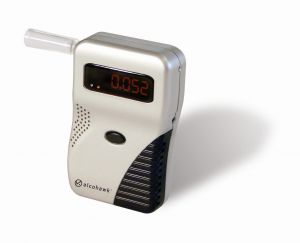
Brad Smith, a partner here at Arnold & Smith, made the news recently when it was announced that prosecutors in Charlotte, NC decided to appeal a judge’s decision to throw out the drunk driving charges filed against Tim Newman. Neman’s case made headlines earlier this year when the former chief executive of the Charlotte Regional Visitors Authority was arrested after an accident on I-77 in May.
Breathalizer.jpg
Assistant District Attorney Emily Kraper filed the appeal, writing that she believed District Judge Kimberly Best’s decision was “contrary to the law.” Kraper went on to say that the government thinks there was enough evidence to overcome Newman’s motion to dismiss and eventually convict Newman of driving while impaired.

Continue reading

Contact Information